連絡
ブロンズ彫刻 作品一覧 🗺 地図 都市 お問い合わせ
ENFRDE ITESNL SVNOPL 日本語
Own this piece?✉ Email☎ +48 575 967 063

🇩🇪 バンベルクのミトライ

この作品をお持ちですか?売却する →

ドイツ · イーゴル・ミトライの公共彫刻

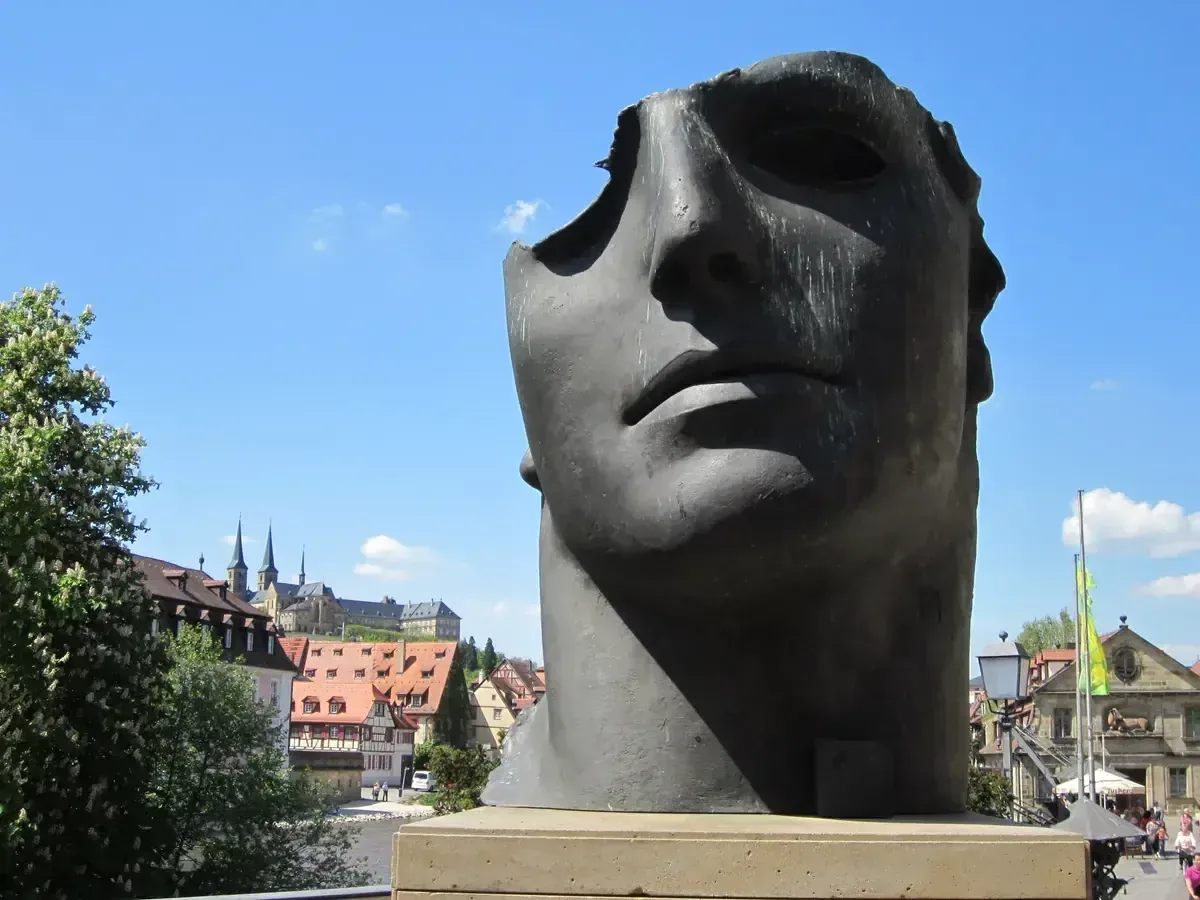
ユネスコ世界遺産に登録されたバンベルクの旧市街に流れるレグニッツ川に架かるウンテレ・ブリュッケ(下橋)には、ミトライのチェントゥリオーネ Iが永久設置されています。中世の橋と現代彫刻の対話はバンベルクの象徴的な景観となっています。

主要作品と設置場所

Igor Mitoraj Centurione I monumental bronze sculpture with Michaelsberg Abbey, Bamberg Germany — permanent public installation
Centurione I with Michaelsberg Abbey. Photo: Qaswed, CC BY-SA 3.0
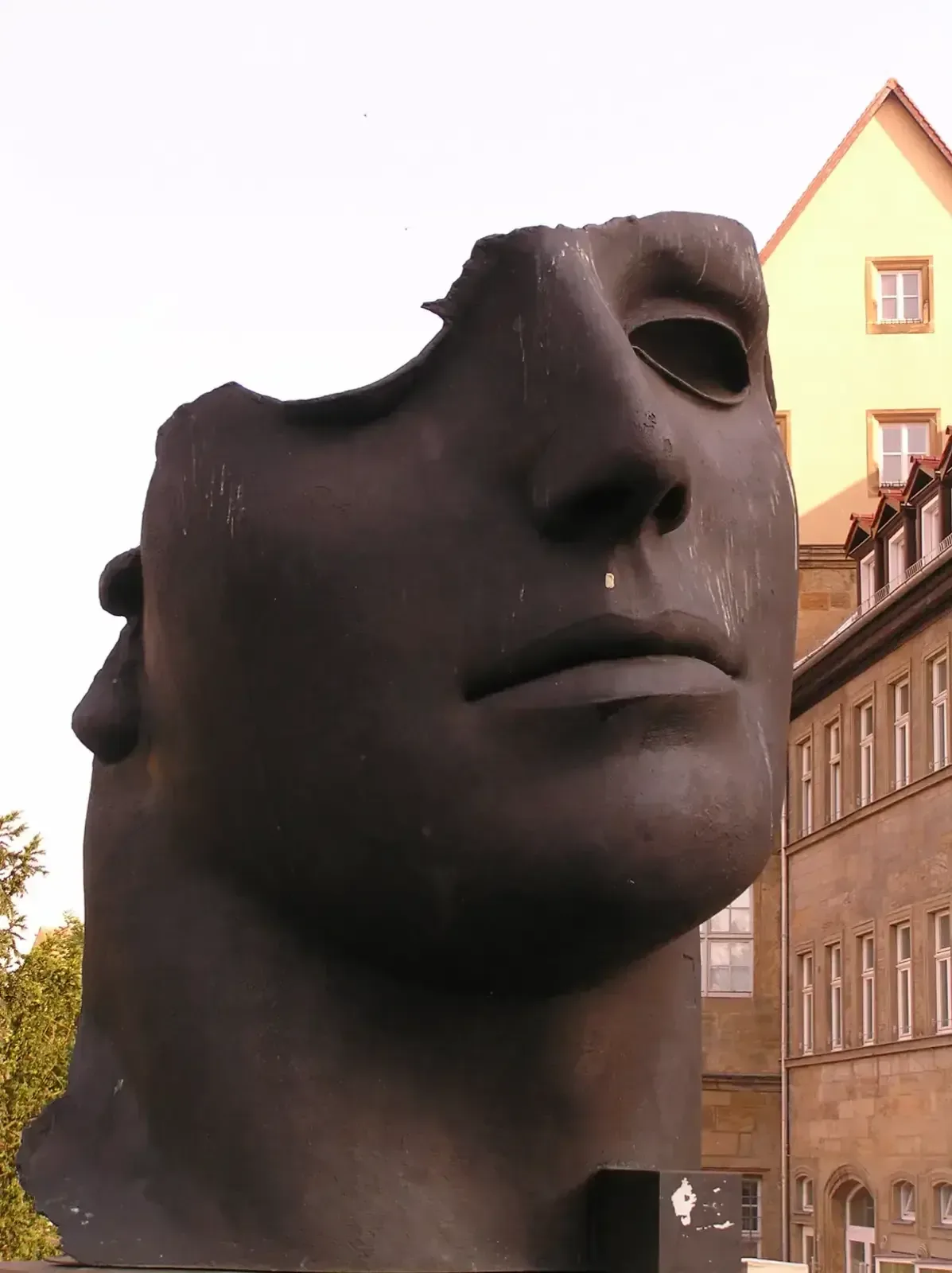
Igor Mitoraj Centurione I large-format bronze sculpture, Bamberg Germany
Centurione I, Bamberg. Photo: Jan Furgal, CC BY-SA 2.5
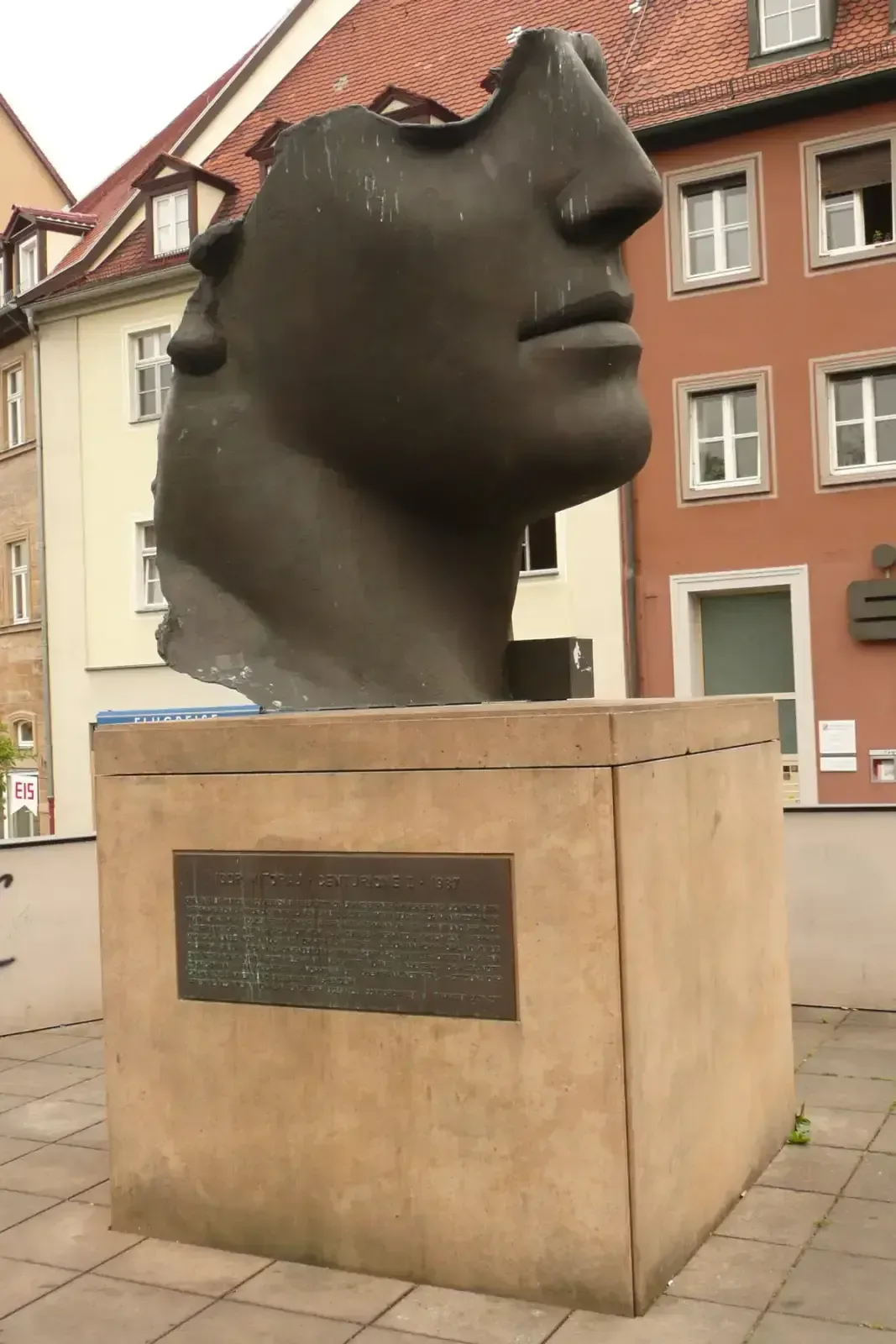
Igor Mitoraj Centurione I bronze sculpture detail, Bamberg — patinated surface close-up
Centurione I, detail. Photo: Kassandro, CC BY-SA 3.0

Cast in bronze, Centurione I belongs to a series of Roman soldier figures that Mitoraj developed extensively during the 1980s and 1990s, when demand from European public institutions grew significantly alongside his gallery market. The Bamberg installation, permanent since the late 1990s, was facilitated through the city's cultural administration and reflects a broader pattern of German civic investment in his monumental work during that decade.

The Centurione series, of which the Bamberg figure is one iteration, was cast at the Fonderia Artistica Battaglia in Milan, the foundry Mitoraj used consistently for his larger bronzes from the mid-1980s onward. Collectors seeking related works on the secondary market should note that smaller Centurione variants, typically ranging from 40 to 80 centimetres, appear periodically at auction through houses including Dorotheum and Bonhams, where they have achieved prices between €15,000 and €60,000 depending on provenance and casting date.

The placement of Centurione I on Bamberg's Untere Brücke follows a curatorial logic Mitoraj favoured throughout his career: positioning fragmented figures at sites already carrying accumulated historical weight. Bamberg's UNESCO designation, granted in 1993, made the city a natural fit for this approach, and the installation predates similar civic commissions in Kraków and Agrigento that would consolidate his reputation for site-responsive monumental work during the early 2000s.

Mitoraj's relationship with German collectors deepened considerably after a 1998 retrospective held at the Städtische Galerie Würzburg, which introduced his fragmented bronze vocabulary to a regional audience already familiar with the Bamberg installation. Works from that exhibition, including smaller Testa di Centauro editions, subsequently entered private Bavarian collections and occasionally reappear through Munich-based dealer Hampel Fine Art Auctions, where condition reports consistently note the importance of foundry stamps in establishing casting sequence and corresponding value.

Mitoraj's work entered the German auction market most visibly through Ketterer Kunst, the Munich-based house that handled several bronze editions during the 2000s, including fragments from the Testa Addormentata and Eros Bendato series. German private collectors, particularly those in Bavaria, were early institutional supporters, and a number of mid-scale bronzes from the 1990s remain in regional foundations rather than public circulation, limiting their appearance at auction and sustaining price stability for the editions that do emerge.

Mitoraj's bronze technique evolved markedly between his earlier Centurione castings and the larger civic commissions of the late 1990s, with surface patination becoming an increasingly deliberate compositional element rather than an incidental finish. The Bamberg Centurione I displays the warm, variegated oxidation characteristic of Battaglia's cold-patina process, a quality that distinguishes period casts from later authorized editions and carries meaningful weight for collectors assessing authenticity. Works bearing this foundry's stamp alongside Mitoraj's signature and a documented casting year consistently command premiums of fifteen to twenty percent over undocumented examples at comparable auction estimates.

Mitoraj's bronzes held in German private collections frequently originate from the gallery representation he maintained with Galerie Pels-Leusden in Berlin during the 1990s, a relationship that channelled significant inventory toward central European buyers before the gallery's closure. Works acquired through this channel tend to carry detailed provenance documentation, which has demonstrably supported stronger auction results when pieces re-enter the market. Collectors should also be aware that Mitoraj produced a number of works on paper—charcoal and pastel studies for monumental figures including Centurione variants—which surface occasionally at regional German auction houses and represent a more accessible entry point into his practice, typically achieving between €3,000 and €12,000.

Bamberg's civic collection situates Centurione I within a regional landscape of Mitoraj acquisitions that extended beyond Bavaria during the 1990s. The German secondary market for his bronzes has historically concentrated among collectors in Munich, Düsseldorf, and Hamburg, where private galleries including Terminus and Thomas have handled estate-adjacent works since the sculptor's death in 2014. Provenance documentation for publicly sited pieces such as the Bamberg installation is maintained through the Mitoraj estate in Paris, a consideration relevant to collectors evaluating authenticity for smaller cast variants. Works from the Centurione series bearing foundry stamps from Battaglia alongside certificates issued before 2000 command a measurable premium over later authorized casts, a distinction auction specialists at Ketterer Kunst in Munich have noted explicitly in catalogue entries for comparable lots appearing since 2017.

Mitoraj's connection to Bavaria extended beyond the Bamberg installation through a series of exhibition loans and private sales coordinated by the Munich gallery Wittenbrink, which represented his work in southern Germany during the 1990s and acted as a conduit between the artist's Pietrasanta studio and regional collectors. The gallery facilitated acquisition of works from the Toscana series—smaller bronzes combining architectural fragment motifs with the masked face imagery Mitoraj developed after relocating permanently to Italy in the early 1980s—by a number of Bavarian private collections whose holdings have since appeared at regional auction. Collectors active in this market should be aware that works carrying Wittenbrink provenance documentation tend to attract premium bids, particularly when accompanied by correspondence or exhibition records from that period. The foundry stamps on Bavarian-acquired pieces typically confirm casting at Battaglia, providing an additional authentication reference point when assessing secondary market offerings from this geographical cluster.

Beyond the Centurione series, Bamberg's cultural institutions have maintained an ongoing interest in Mitoraj's broader output, and the city's collector community has shown particular appetite for his works on paper, which remain considerably underrepresented in auction literature relative to his bronzes. Mitoraj produced substantial bodies of drawings and pastels throughout the 1980s and 1990s, many depicting the same fragmented classical heads and torsos that informed his sculptural practice, and these works have appeared with increasing frequency at regional German auction houses including Karl und Faber in Munich, where signed pastels have achieved between €4,000 and €18,000 at recent sales. Provenance connecting a work to a German private collection established before 2000 tends to support stronger bidding, partly because Mitoraj's documented presence at German gallery openings and civic installations during that decade provides a coherent collecting narrative. The Städtische Galerie Bamberg holds archival material related to the Untere Brücke installation that serious researchers can consult by appointment, offering documentation of casting specifications and correspondence with the city's cultural administration that is rarely available for his other permanent European placements.

ミトライ作品をお持ちですか?

ワルシャワのプライベートコレクターが直接購入します。オークション手数料なし。迅速・秘密厳守。

Any other Mitoraj work also welcome — any subject, condition, or format.

Mitoraj in Other Cities

Paris Rome London Kraków → All cities
WhatsApp Email Me
Add to your home screen